
Cloud Computing: Building Flexible, Secure, and Scalable Infrastructure for Modern Businesses
 Oca 17,2026
  By gidysoft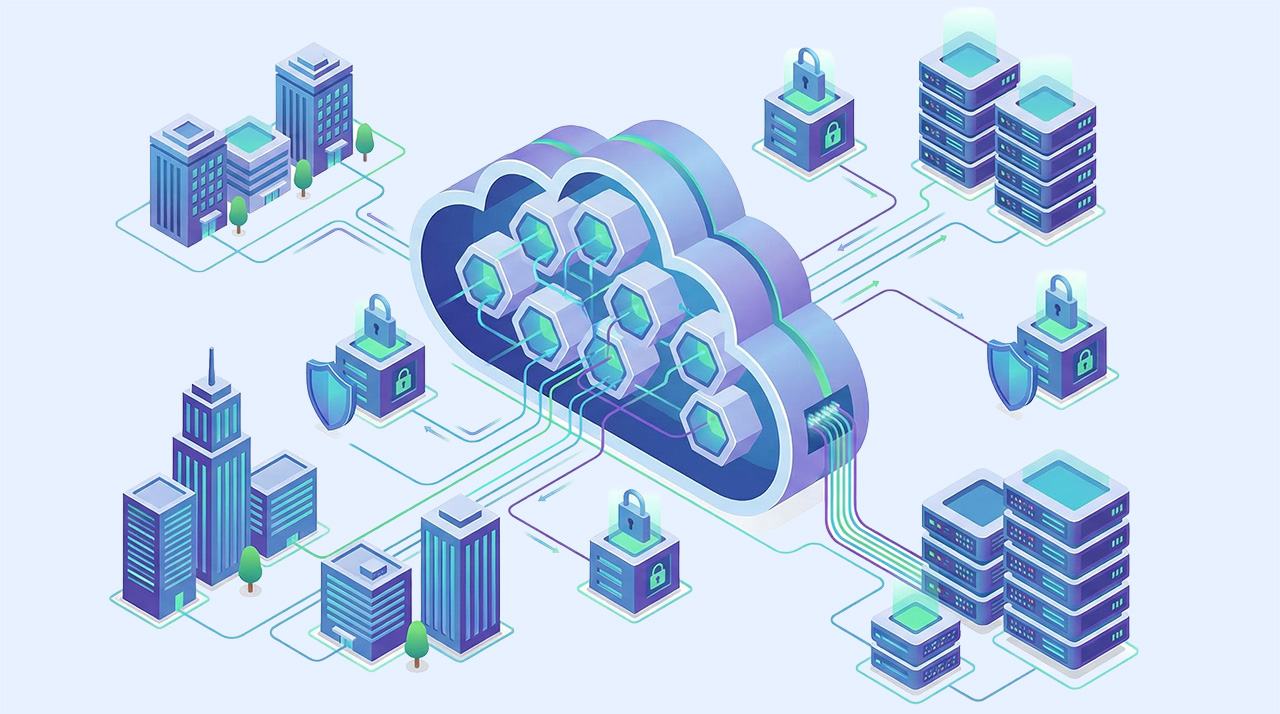
As businesses continue to digitize operations and expand globally, traditional on-premise infrastructures are no longer sufficient to support speed, flexibility, and scalability requirements. This shift has made cloud computing a foundational element of modern IT strategies. Rather than being a simple hosting solution, cloud computing represents a comprehensive approach to building resilient, cost-efficient, and future-ready digital infrastructures.
Organizations that understand cloud computing as a strategic investment-rather than a technical migration task-gain a significant advantage in performance, reliability, and operational agility.
Why Cloud Computing Has Become a Business Necessity
The modern business environment demands constant availability, rapid adaptation, and data-driven decision-making. Legacy infrastructures often struggle to meet these expectations due to hardware limitations, high maintenance costs, and limited scalability.
Cloud computing addresses these challenges by providing on-demand access to computing resources, allowing businesses to scale infrastructure dynamically based on real usage. This flexibility reduces unnecessary costs while ensuring that systems remain responsive during peak demand periods.
More importantly, cloud environments enable faster innovation cycles, empowering teams to deploy, test, and improve digital products without infrastructure bottlenecks.
Understanding Cloud Architecture Beyond Migration
Many organizations approach cloud computing with a narrow focus on migration-simply moving existing systems from physical servers to cloud platforms. While migration is an important step, true cloud value comes from well-designed cloud architecture.
A properly planned cloud architecture considers performance requirements, security standards, data flow, and future scalability. Without this strategic planning, cloud systems may inherit the same inefficiencies as legacy infrastructure, limiting long-term benefits.
Modern cloud computing emphasizes architecture that is modular, resilient, and aligned with business goals rather than temporary technical fixes.
Scalability and Performance in Cloud Environments
One of the most compelling advantages of cloud computing is scalability. Businesses can increase or reduce resources in real time, ensuring optimal performance without overprovisioning. This elasticity allows systems to handle traffic spikes, data growth, and seasonal demand seamlessly.
Performance optimization in cloud environments requires careful resource allocation, load balancing, and continuous monitoring. When cloud infrastructure is designed correctly, businesses benefit from consistent uptime, fast response times, and reliable service delivery under real-world conditions.
Scalability is not just about handling growth-it is about maintaining stability while growing.
Security and Reliability in the Cloud
Cloud computing is often perceived as a cost-saving solution, but without proper optimization, expenses can quickly escalate. Effective cloud strategies focus on cost-aware resource management, ensuring that businesses pay only for what they actually use.
Optimization includes analyzing workloads, adjusting resource allocation, and monitoring usage patterns over time. By continuously refining infrastructure configurations, organizations maintain financial control while benefiting from cloud flexibility.
This proactive approach transforms cloud computing from a cost center into a measurable business advantage.
Monitoring and Visibility as Operational Priorities
Cloud computing environments are dynamic by nature, which makes visibility and monitoring indispensable. Without proper monitoring tools, performance issues or security risks may go unnoticed until they affect users or operations.
Modern cloud strategies implement centralized logging, performance metrics, and alerting systems that provide real-time insights. This visibility enables IT teams to respond proactively, optimize continuously, and maintain system stability as workloads evolve.
Monitoring transforms cloud infrastructure from a black box into a transparent and manageable system.
The Importance of a Structured Cloud Implementation Process
Successful cloud adoption follows a structured process rather than an ad-hoc approach. This process typically begins with assessment and strategy, where existing systems, workloads, and business objectives are evaluated.
Architecture design and setup follow, ensuring that cloud environments align with performance, security, and scalability requirements. Migration and deployment are executed carefully to maintain data integrity and minimize downtime. Finally, ongoing optimization and support ensure that cloud infrastructure evolves alongside business needs.
This structured approach reduces risk and ensures that cloud computing delivers measurable, long-term value.
Cloud Computing as a Long-Term Partnership
Cloud infrastructure is not a “set and forget” solution. It requires continuous evaluation, optimization, and adaptation. Businesses that treat cloud computing as a long-term partnership rather than a one-time project achieve greater stability and performance over time.
Ongoing support, transparent communication, and proactive optimization ensure that cloud environments remain aligned with changing business goals and technological advancements.
How Gidysoft Approaches Cloud Computing
At Gidysoft, cloud computing is approached with a focus on sustainability, security, and scalability. Rather than offering generic cloud solutions, we design infrastructures that reflect real business requirements and future growth plans.
Our approach emphasizes strategic architecture planning, secure migration, performance optimization, and continuous monitoring. By combining technical expertise with business awareness, we help organizations build cloud infrastructures that support innovation without compromising control or reliability.
Cloud computing, when implemented thoughtfully, becomes a powerful enabler of business growth rather than a technical challenge.
Conclusion
Cloud computing has redefined how businesses build, scale, and manage digital infrastructure. Flexibility, performance, security, and cost efficiency are no longer optional-they are essential requirements for staying competitive in a digital economy.
Organizations that adopt cloud computing strategically gain resilience, agility, and long-term operational advantages. With the right approach and a reliable development partner, cloud infrastructure becomes a stable foundation for sustained growth and innovation.